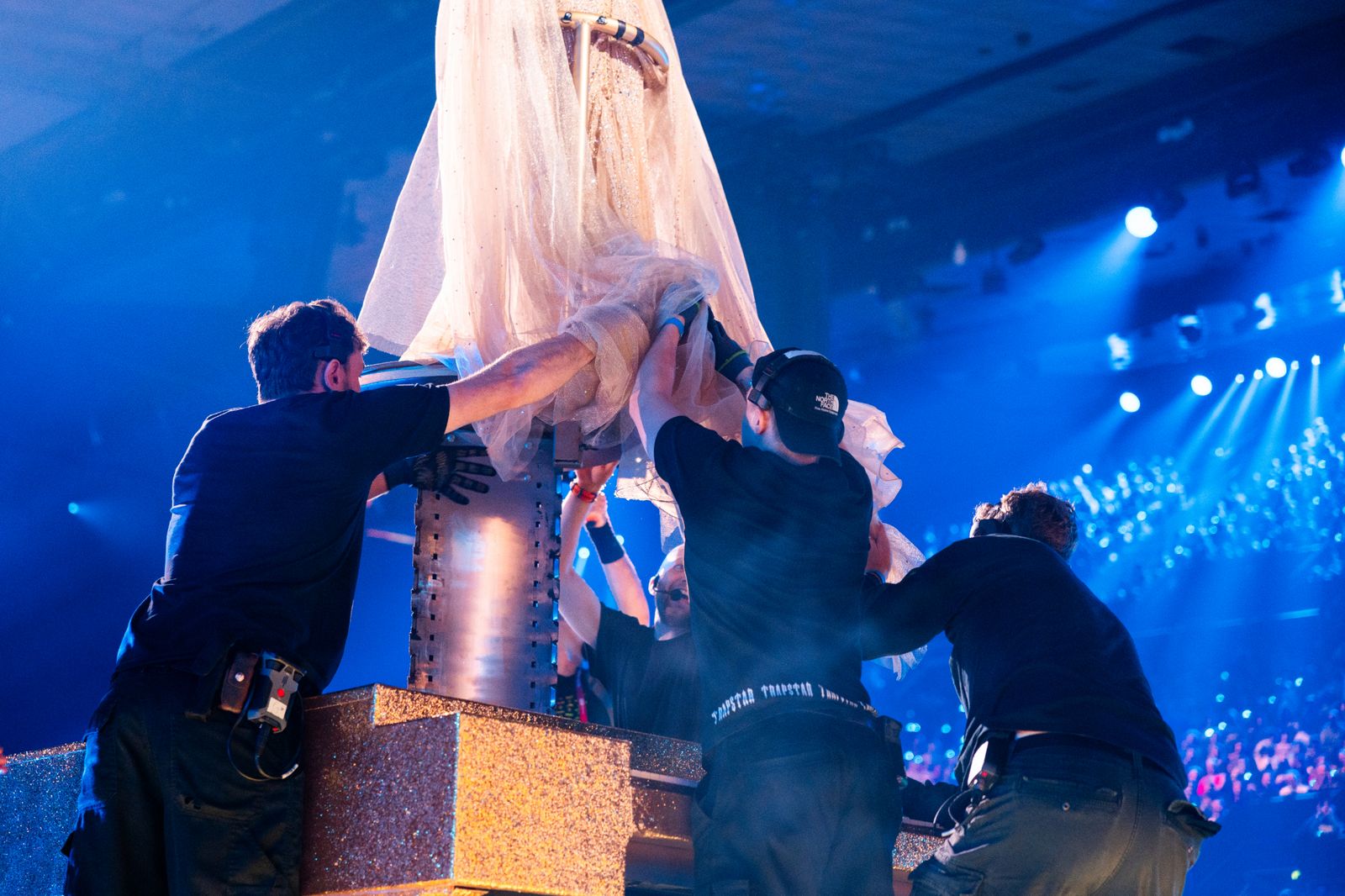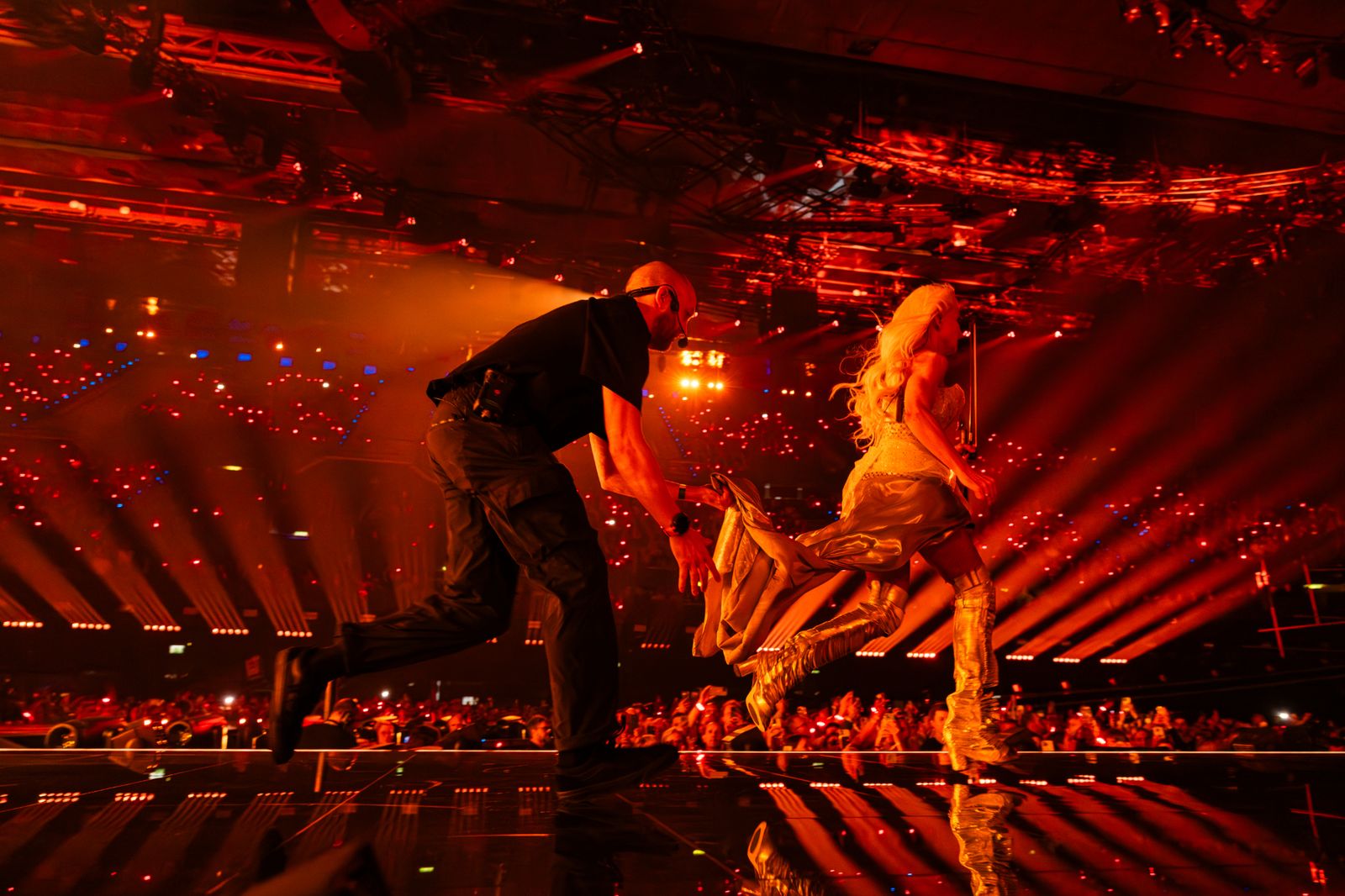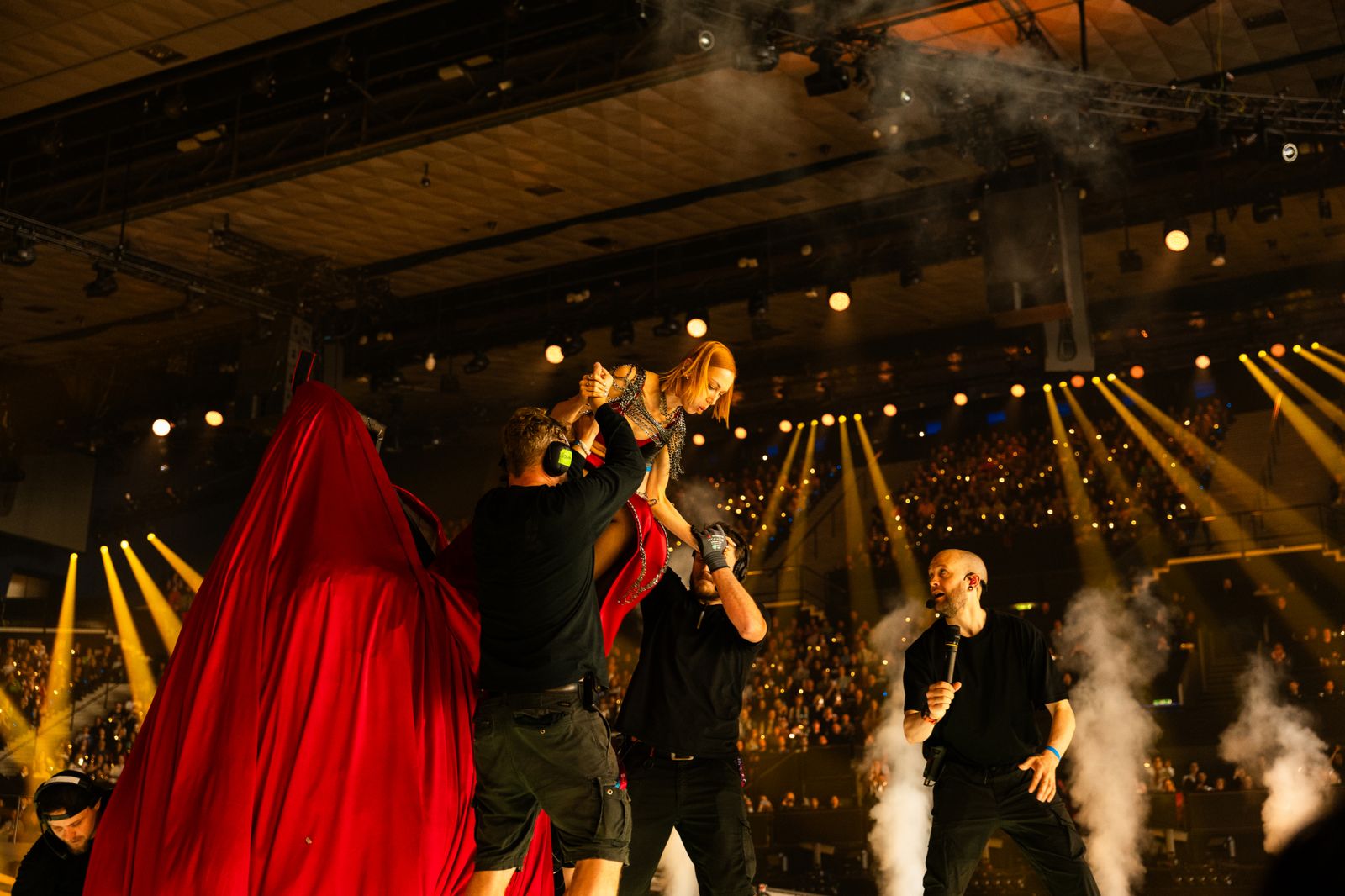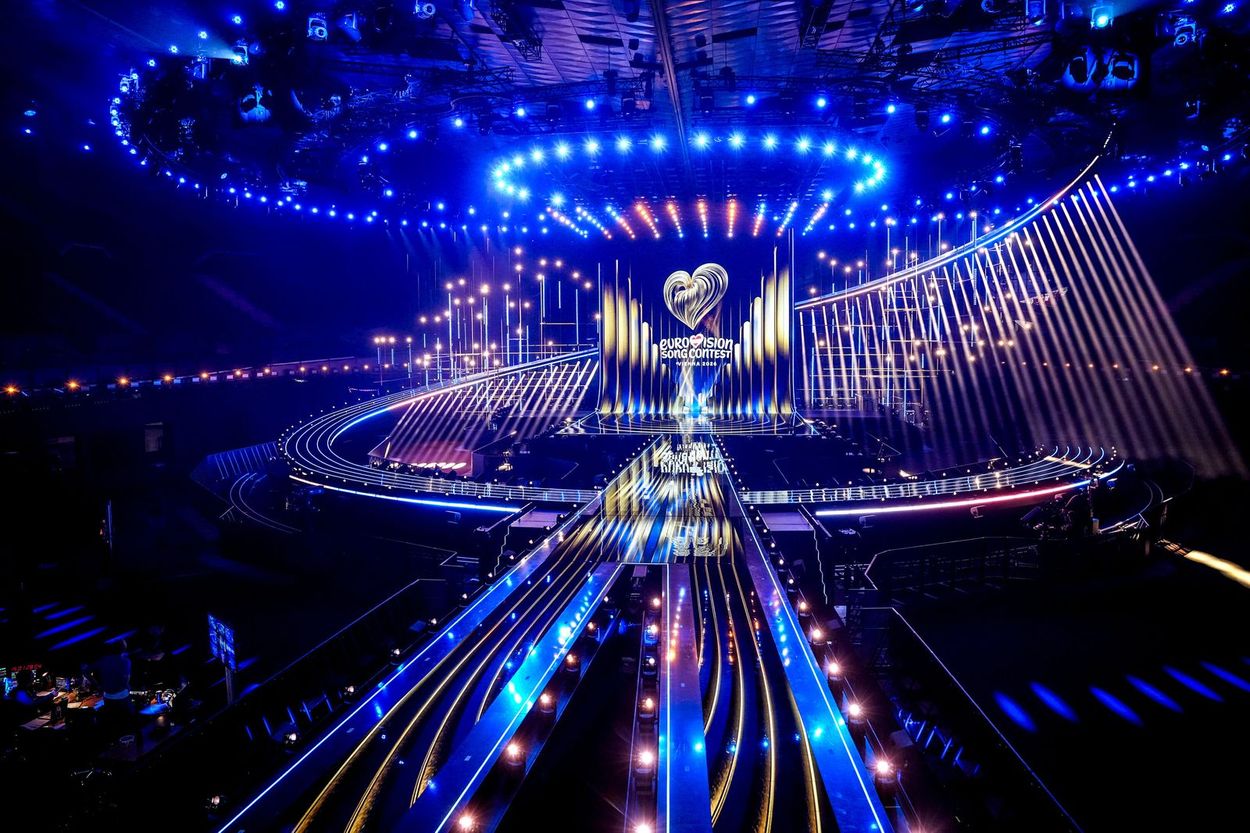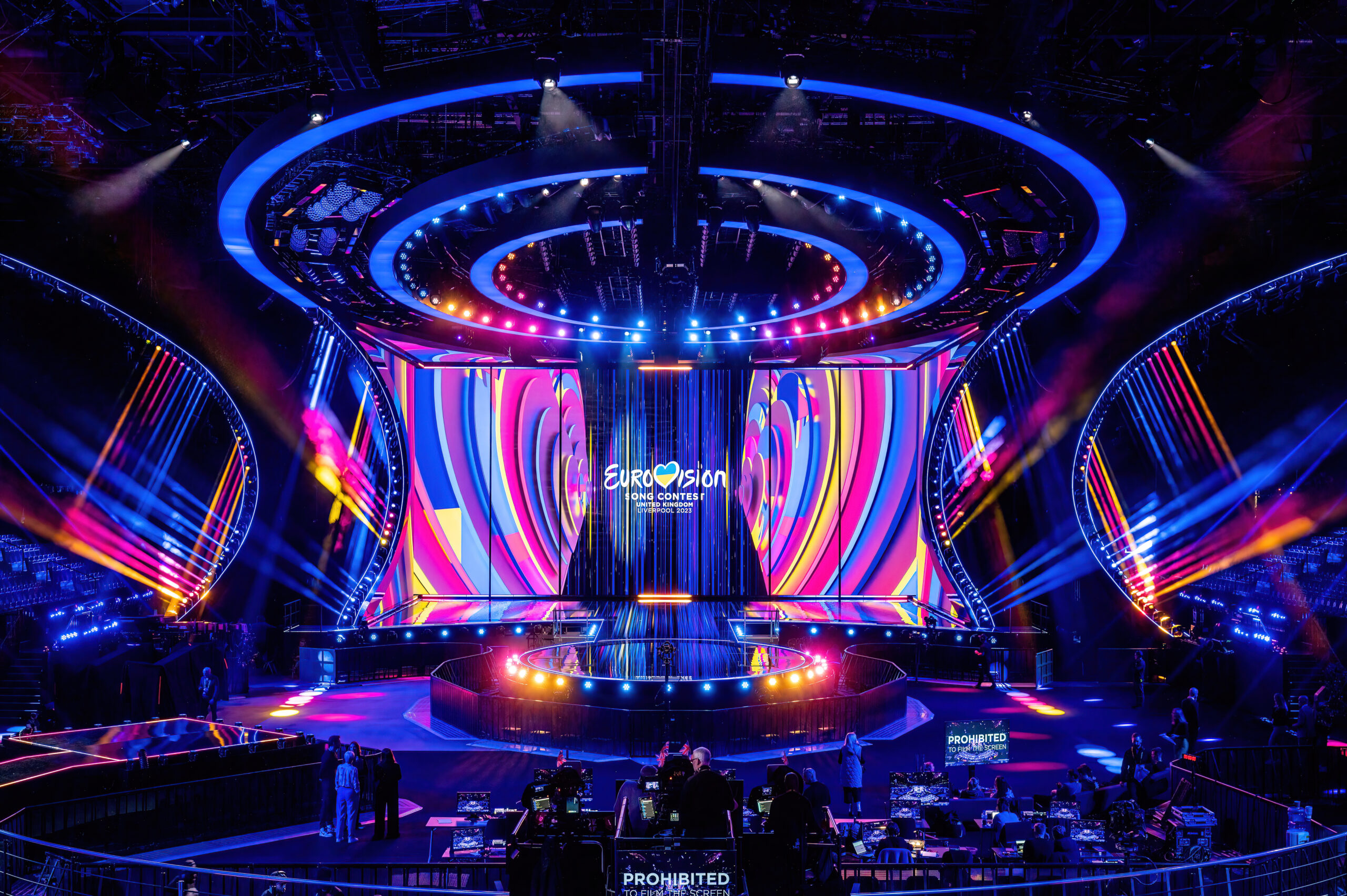

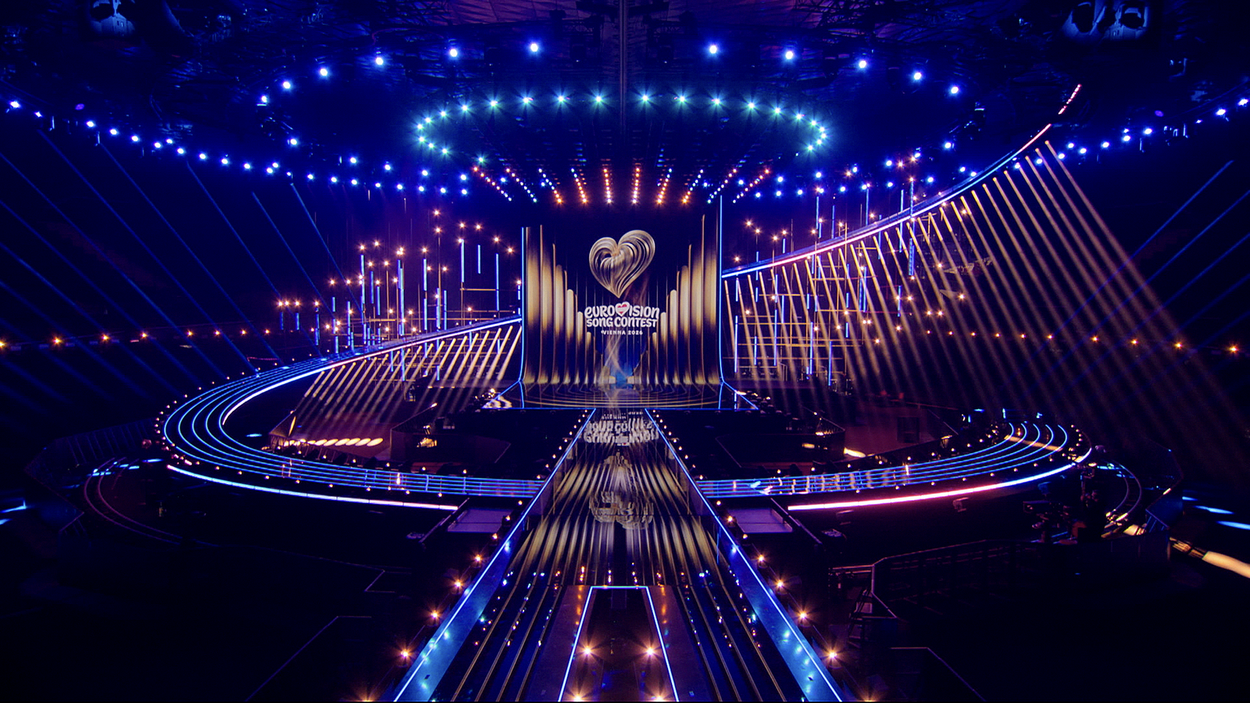
The Eurovision Song Contest returned to Vienna in May 2026 for its 70th edition, bringing together artists and delegations from across Europe for one of the world’s largest and most technically demanding live television productions.
Following his involvement with the Eurovision Song Contest 2023 in Liverpool, John returned to the Stage Management team for Vienna 2026 in the specialist role of Digital Floor Mark Operator, once again taking responsibility for the digital stage-marking system used throughout rehearsals and the live broadcasts.
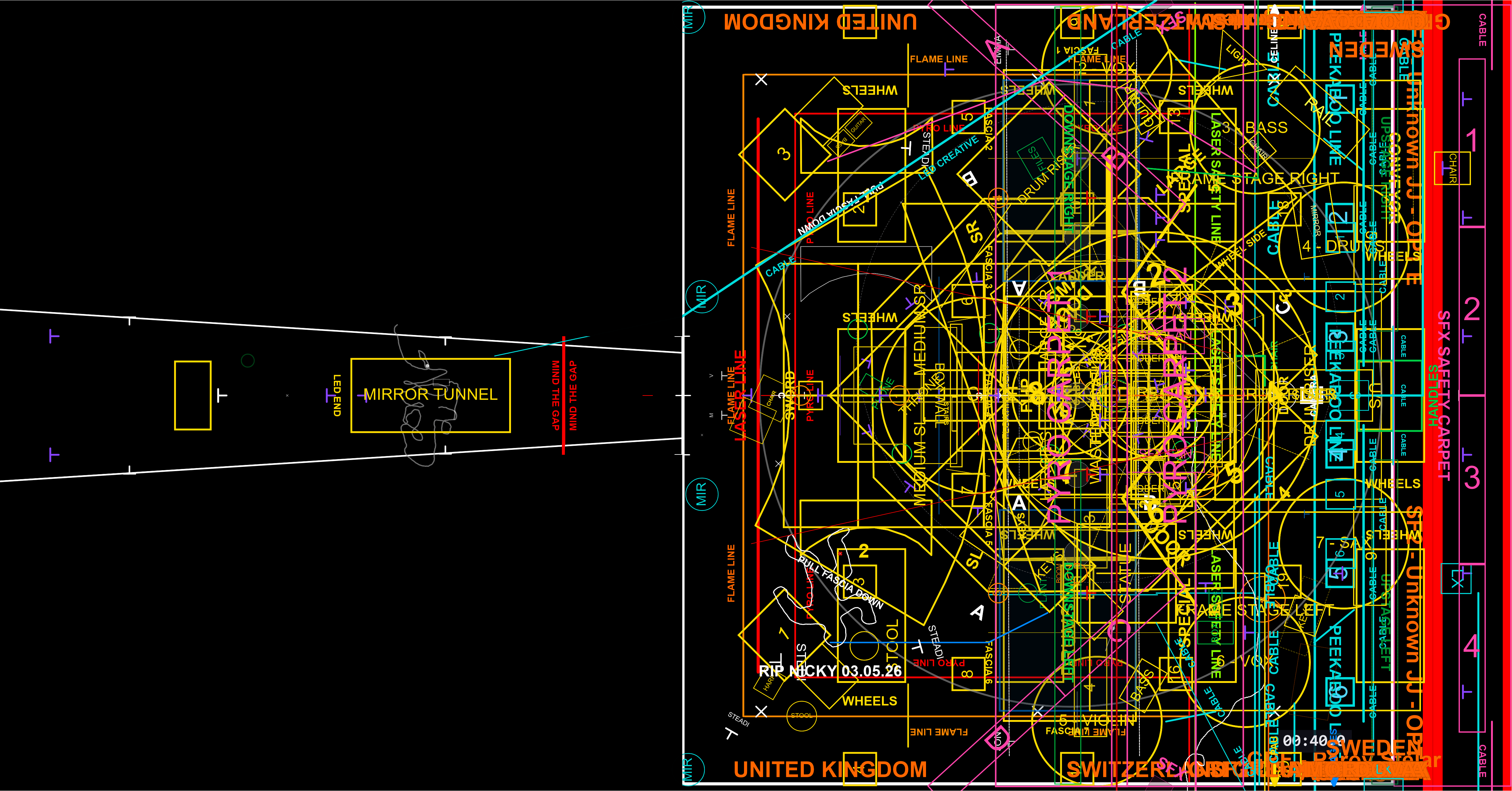
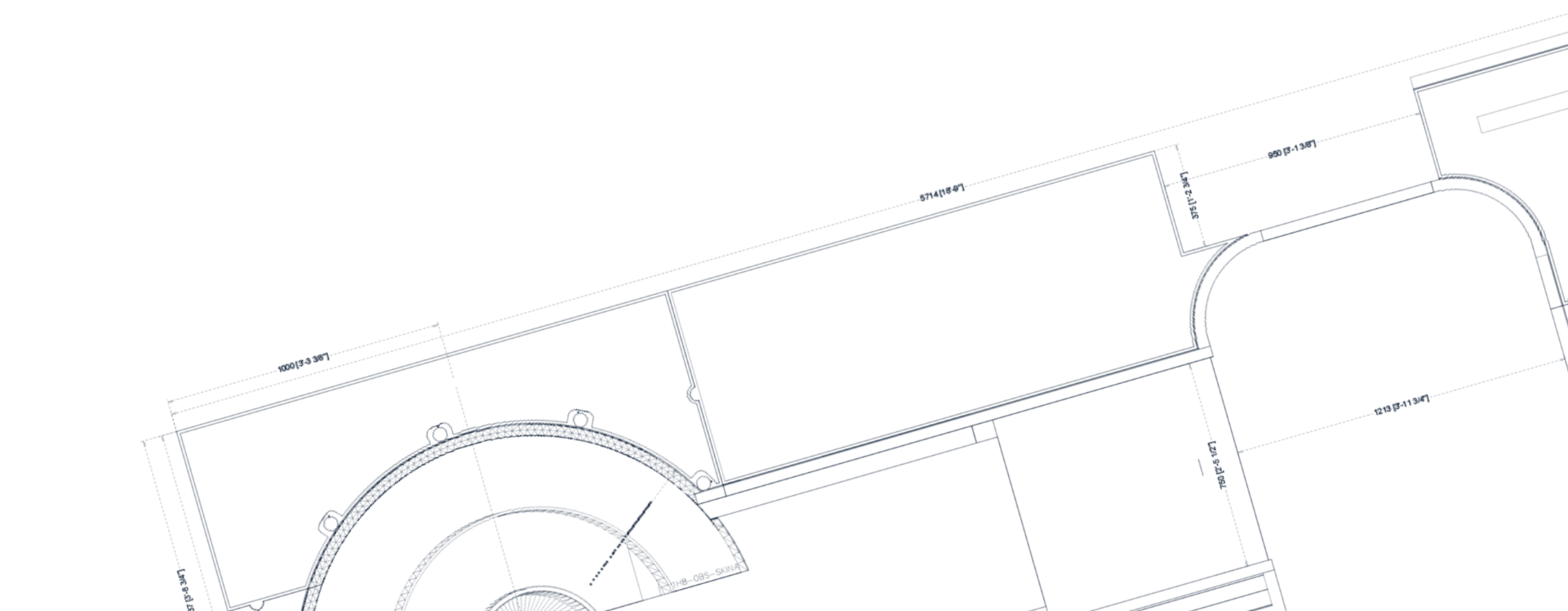
Working closely with Stage Management, Video and the wider technical production team, John programmed and operated the digital spikemark system used to accurately position performers, scenic elements, cameras and equipment across the stage. Integrated directly into the LED floor, the system allowed marks, pathways and safety information to appear dynamically when required, providing multiple departments with a shared visual reference throughout rehearsals and the fast-moving changeovers between performances.
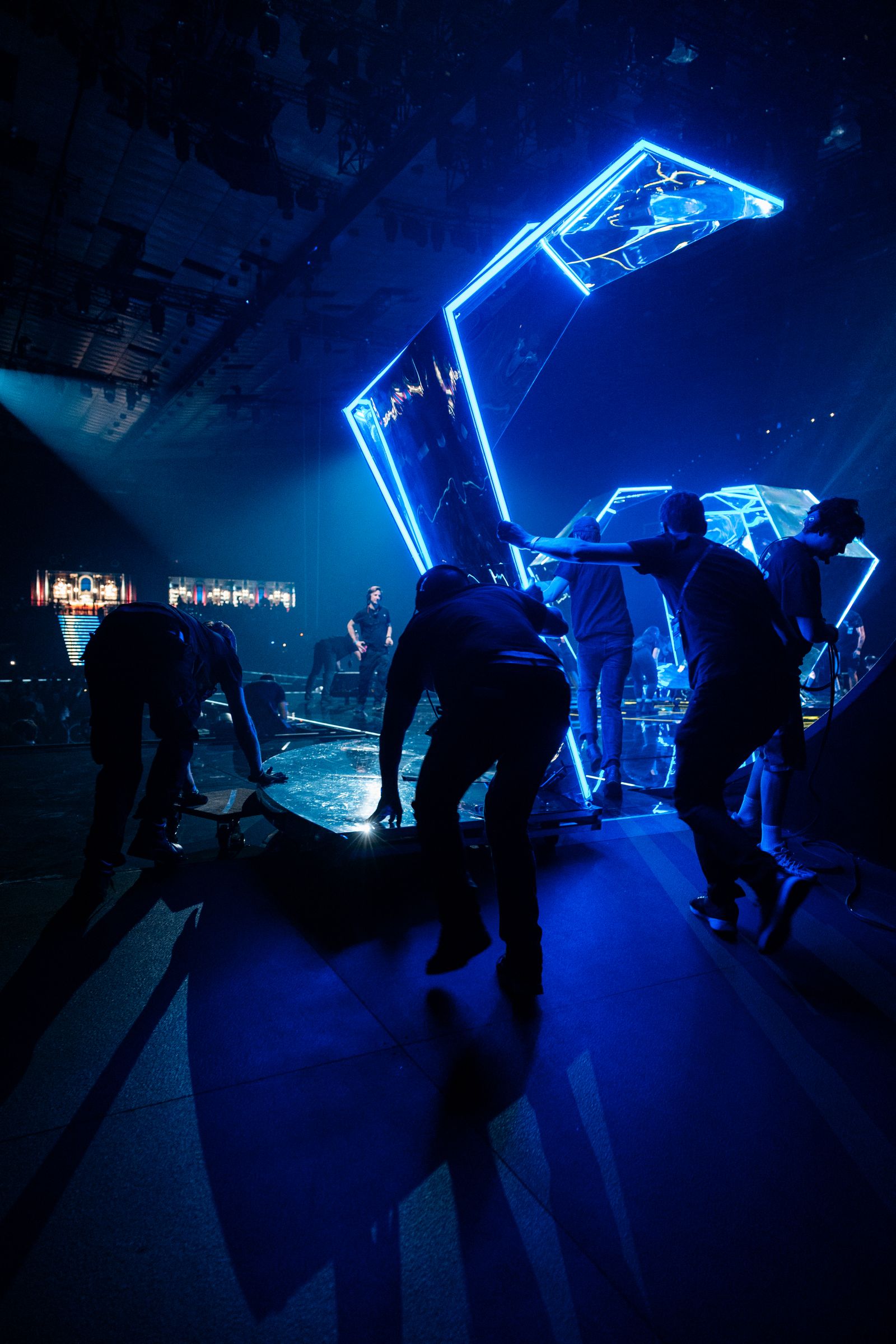
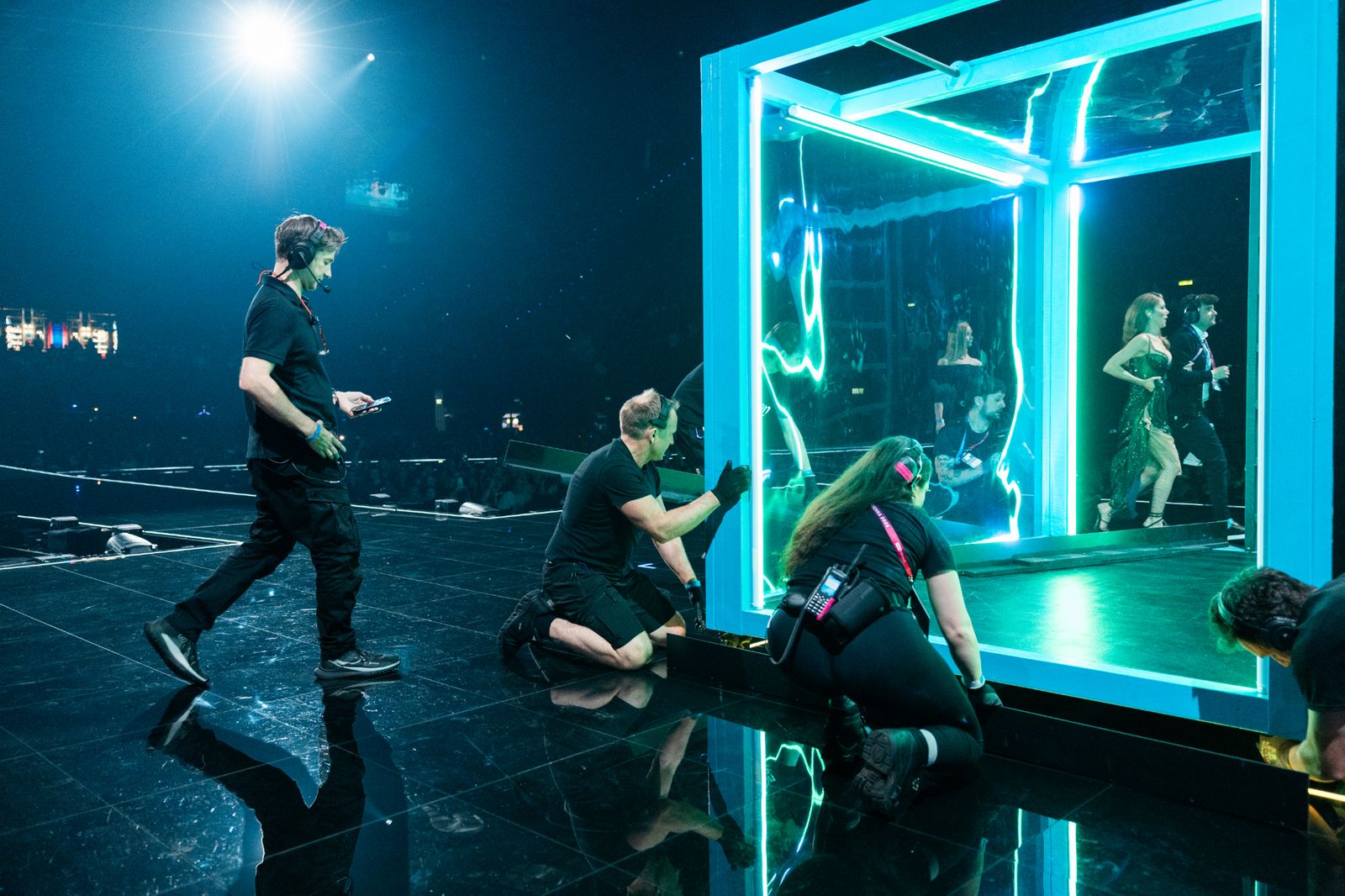
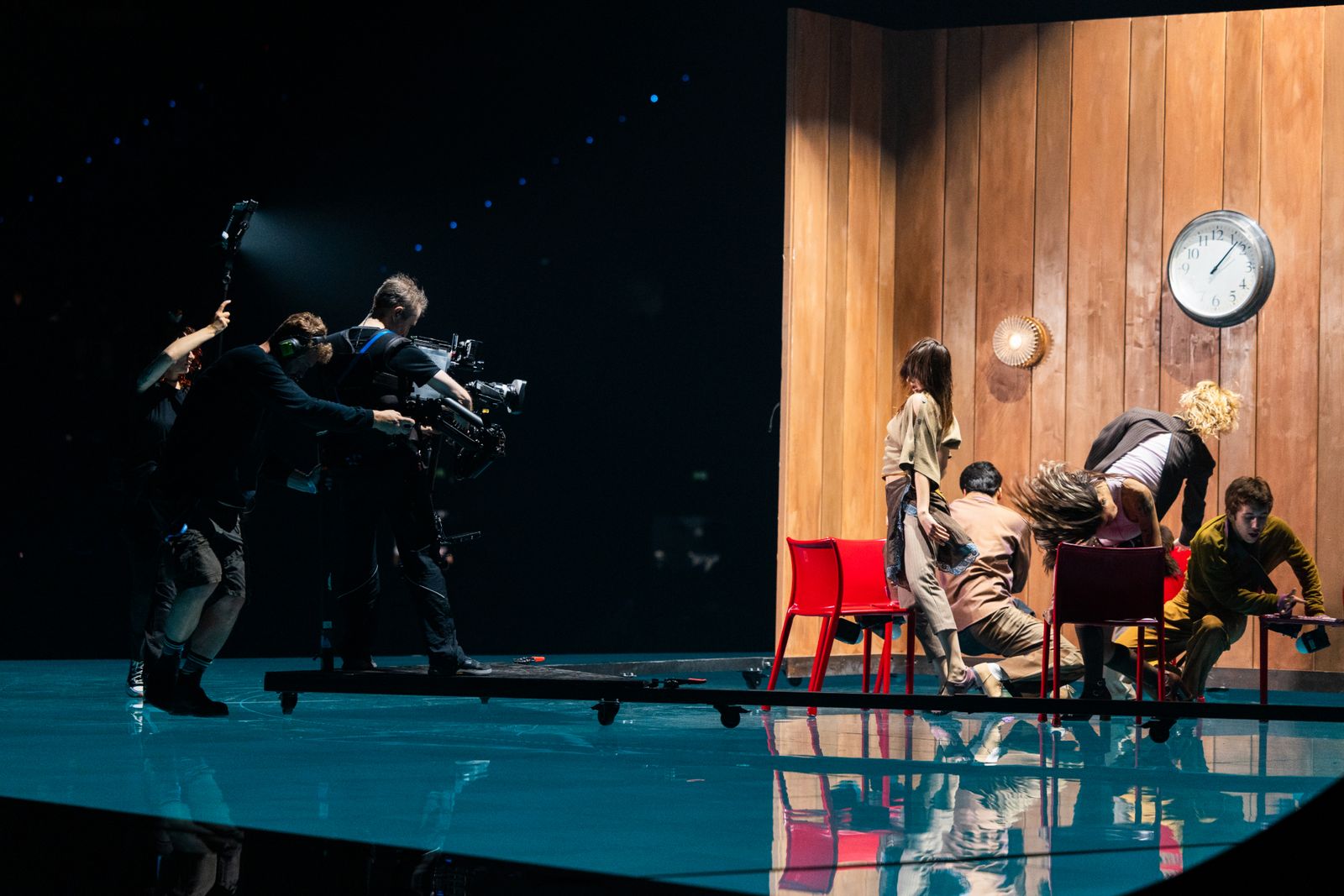
The digital marking system formed part of an extensive video environment comprising approximately 500m² of LED and more than 49 million pixels. With as little as 42 seconds available to completely transform the stage between acts, accurate positioning and the ability to communicate information clearly across departments was critical to delivering each changeover safely and consistently.
Building on the workflow developed in Liverpool, the system evolved significantly for Vienna. Integration directly into the video programming workflow allowed individual marks to appear at precise timecoded moments during performances and changeovers. Across the production, John programmed and managed 2,474 individual marks across 196 stage looks, accommodating the unique staging and technical requirements of each performance.
The system also developed beyond positioning alone. Marks were programmed for performers, cameras and cable pathways, while dedicated layouts supported technical rehearsals, performer tracking, FollowMe calibration and on-stage inductions. Safety information including trip hazards, camera track gaps, automation lift edges and safe distances from effects could also be displayed directly on the stage.
The resulting workflow transformed digital spikemarks from an alternative to traditional tape marking into an integrated Stage Management and technical production tool, helping teams work safely, accurately and efficiently within the demanding environment of the Eurovision Song Contest.
Further Reading
The Evolution of Digital Spikemarks at Eurovision 2026
A behind-the-scenes look at the development and operation of the digital floor marking system.
Eurovision Song Contest 2026
A technical case study exploring the LED, video infrastructure and playback systems behind the production.
Next-Generation Visual Technology at Eurovision 2026
An insight into the media server and video technology powering Eurovision’s complex live broadcast environment.

Each year raises expectations. The challenge is delivering at scale while enabling creative intent for every performance.
Niclas Ljung — Group Technical Director, Creative Technology